
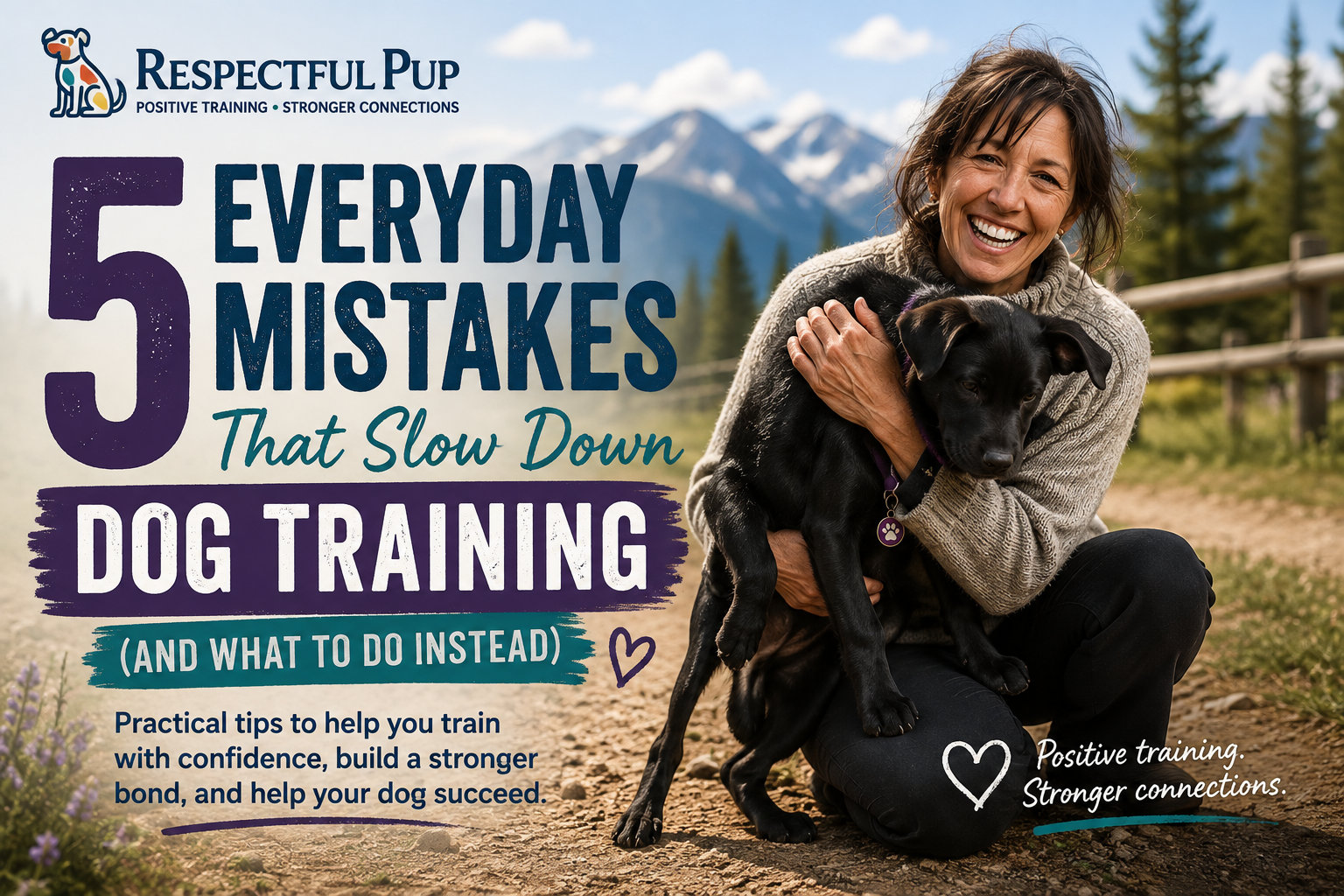
5 Everyday Mistakes That Slow Down Dog Training (And What to Do Instead)
One of the greatest joys of sharing your life with a dog is watching your relationship grow over time. Whether you've just welcomed a new puppy into your home or you're helping an older dog learn new skills, training is about far more than teaching commands. It's about building trust, creating clear communication, and developing a partnership that helps both you and your dog feel confident in everyday life.
As a professional dog trainer, I've worked with countless families who genuinely want the very best for their dogs. They invest in toys, treats, comfortable beds, and plenty of love, yet many still become discouraged when training doesn't seem to progress as quickly as they expected. The good news is that most setbacks aren't caused by stubborn dogs or inexperienced owners. Instead, they're often the result of a few common habits that unintentionally slow the learning process.
The encouraging news is that these mistakes are easy to recognize and even easier to correct. Dogs are incredibly adaptable learners, especially when they're taught using patience, consistency, and positive reinforcement. Making just a few small adjustments to your daily routine can dramatically improve your dog's confidence, strengthen your relationship, and make training far more enjoyable for both of you.
1. Expecting Too Much Too Soon
One of the most common misconceptions about dog training is that learning happens quickly. Social media often shows polished, well-trained dogs performing impressive behaviors, but what those short videos don't show are the weeks or months of consistent practice that made those moments possible. It's easy to compare your own progress to those finished results and wonder why your dog hasn't mastered a new behavior after only a few practice sessions.
Dogs learn best through repetition and successful experiences. Before asking your dog to perform in a busy park, crowded pet store, or outdoor café, they first need to understand the behavior in a quiet, familiar environment with very few distractions. Learning happens in layers. As your dog's confidence grows, you can gradually introduce more challenging situations without overwhelming them.
Rather than focusing on how quickly your dog reaches the finish line, celebrate the small victories along the way. Every successful sit, every calm greeting, and every loose-leash walk is another building block toward long-term success. Progress isn't measured by perfection. It's measured by consistent improvement over time.
2. Being Inconsistent
Dogs thrive when life is predictable. They feel more confident when they clearly understand what earns rewards and what is expected of them. When the rules constantly change, however, learning becomes much more difficult.
Imagine if one family member allows your dog to jump up for attention while another asks for four paws on the floor. Or perhaps one person says "Down," another says "Off," and someone else simply pushes the dog away without saying anything at all. Although these differences may seem small to us, they create mixed messages that make it harder for dogs to understand exactly what we're asking.
Consistency doesn't require perfection. It simply means everyone in the household is working toward the same goals using the same cues and rewarding the same behaviors. Even practicing for just a few minutes each day can yield better results than a single long training session every weekend. Those small moments of repetition help create habits that become reliable over time.
3. Thinking Training Only Happens During Practice Sessions
Many dog owners believe training begins when they pull out a treat pouch and ends when the treats are put away. In reality, your dog is learning from you every single day, whether you realize it or not.
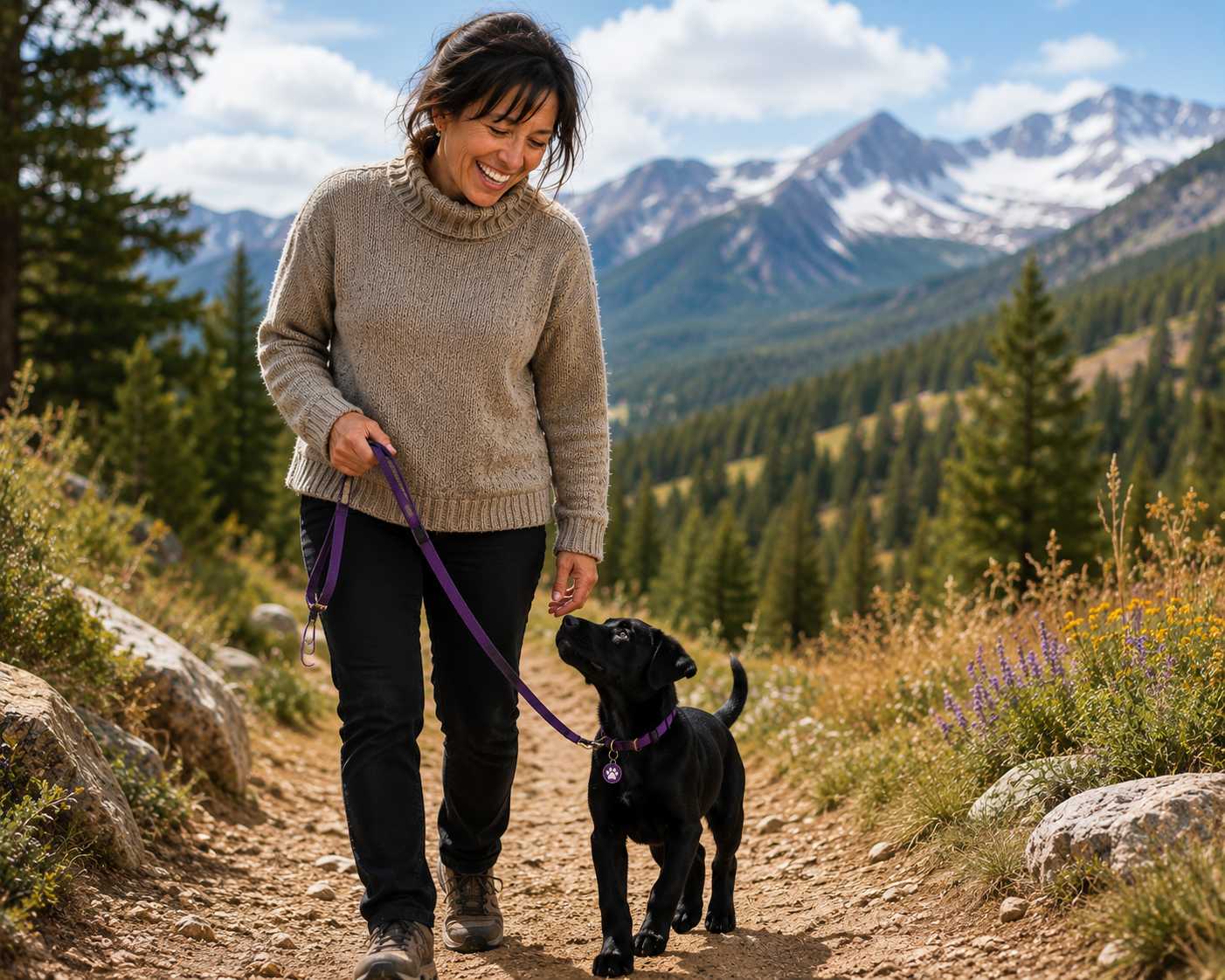
Every interaction provides an opportunity to reinforce behavior. Waiting politely before going through a doorway, sitting calmly before dinner, choosing not to jump on visitors, or walking nicely to the mailbox are all valuable learning experiences. These everyday moments often have a greater impact than formal training sessions because they're directly connected to real life.
When you begin looking at daily routines through the lens of training, you'll discover dozens of opportunities to reward the behaviors you want to see more often. Instead of thinking about training as something you schedule, think of it as part of the way you and your dog communicate throughout the day.
4. Focusing More on Mistakes Than Successes
It's human nature to notice what isn't going well. If your dog jumps on a guest, pulls on the leash, or ignores a cue, those moments immediately grab your attention. Meanwhile, the dozens of times your dog quietly makes a good choice often pass by unnoticed. The problem is that our dogs learn from what receives our attention, and sometimes we unintentionally spend far more energy responding to unwanted behavior than rewarding the behaviors we'd love to see repeated.
One of the most powerful shifts you can make in your training is learning to catch your dog being successful. Did they choose to lie quietly while you answered the phone? Tell them how wonderful they are. Did they check in with you on a walk without being asked? Reward that choice. Did they keep four paws on the floor when someone came through the door? That's worth celebrating, too.
Positive reinforcement isn't simply handing out treats. It's communication. You're telling your dog, "Yes! That's exactly what I was hoping for." Dogs naturally repeat behaviors that lead to good outcomes, and the more opportunities you create to reinforce those behaviors, the more frequently you'll see them. Instead of waiting for something to go wrong, begin looking for the moments your dog gets it right. You may be surprised by just how many opportunities you discover throughout the day.
5. Forgetting That Mental Exercise Is Just as Important as Physical Exercise
Many active dogs receive plenty of physical exercise. They go on walks, play fetch, hike mountain trails, or run around the backyard. While physical activity is certainly important, it's only one piece of a healthy, balanced lifestyle. Dogs also need opportunities to think, solve problems, make decisions, and engage their brains.
Imagine spending all day at the gym without ever reading a book, solving a puzzle, or having a meaningful conversation. Eventually, your mind would crave stimulation just as much as your body appreciates movement. Dogs are no different. Mental enrichment helps satisfy natural instincts while reducing boredom and encouraging thoughtful behavior.
This doesn't have to mean purchasing expensive puzzle toys or setting aside hours every day. Something as simple as scattering kibble in the grass for your dog to sniff out, practicing short training sessions, introducing new obstacles during a walk, or teaching a new trick provides valuable mental exercise. Activities like Parkour encourage dogs to think through challenges, develop body awareness, and build confidence one successful experience at a time. Programs like Paws in Motion combine physical movement with new sights, smells, and experiences that keep dogs mentally engaged while strengthening the bond they share with their owners.
Every Dog Is an Individual
One of the things I love most about working with dogs is that no two are exactly alike. Even dogs of the same breed can have completely different personalities, confidence levels, learning styles, and motivations. Some dogs eagerly tackle every new challenge placed in front of them, while others prefer to pause, observe, and carefully think things through before taking that first step.
Because every dog is unique, training should never follow a rigid, one-size-fits-all formula. The goal isn't to compare your dog's progress to anyone else's. Instead, it's about understanding the individual at the other end of your leash and helping them learn in a way that builds confidence rather than frustration.
That philosophy guides everything we do at Respectful Pup. Whether we're introducing a young puppy to the world, helping an adolescent dog develop better manners, or building confidence through Parkour and enrichment activities, our focus remains the same: creating positive learning experiences that strengthen communication between dogs and the people who love them.
How Respectful Pup Can Help
If you're feeling overwhelmed, please know you're not alone. Every dog owner has moments when they wonder whether they're doing enough or if they're making the right decisions. The fact that you're searching for ways to improve already tells me something important—you care deeply about your dog's success.
Sometimes all it takes is a little guidance from someone who understands both ends of the leash.
At Respectful Pup, our programs are designed to meet dogs where they are in their training journey. Young puppies can begin building confidence and essential life skills in our S.T.A.R. Puppy program. Dogs who are ready to strengthen their everyday skills often thrive in Foundation or K-9 Manners, where practical behaviors like loose-leash walking, coming when called, settling, and polite greetings become part of everyday life. For teams looking to continue their education, Canine Good Citizen helps prepare dogs for real-world success while strengthening reliability in distracting environments.
If your dog enjoys problem-solving and movement, Parkour introduces safe obstacle work that develops confidence, coordination, and teamwork. Paws in Motion encourages dogs and their people to explore Colorado together while building fitness and enjoying the mental enrichment that comes from spending time outdoors. And for families who would benefit from individualized guidance, Private Lessons allow us to create a customized training plan tailored to your dog's specific needs and your family's goals.
No matter where you begin, every class is built around positive, reward-based training that helps dogs learn without fear or intimidation. More importantly, it helps owners gain the confidence they need to continue building those skills long after class has ended.
Final Thoughts
One of my favorite things about dog training is watching the moment when everything begins to click. Sometimes it's a puppy offering their first reliable sit. Sometimes it's a rescue dog choosing to trust a person for the very first time. Other times it's watching an owner realize that their dog wasn't being stubborn after all—they simply needed clearer communication and a little more time.
Progress rarely happens in one giant leap. More often, it arrives through dozens of small victories that gradually build into lasting habits. Every calm greeting, every successful recall, every loose-leash walk, and every confident step forward deserves to be celebrated.
If you remember only one thing from this article, let it be this: your dog doesn't need a perfect trainer. Your dog needs a patient partner who is willing to learn right alongside them.
With consistency, kindness, and positive reinforcement, amazing things can happen.
We'd love to be part of that journey with you.
Whether you're welcoming a new puppy, working through everyday challenges, or looking for your next training adventure, Respectful Pup is here to help you build a stronger connection with your dog—one positive experience at a time.