
Mastering Loose Leash Walking with Your Puppy
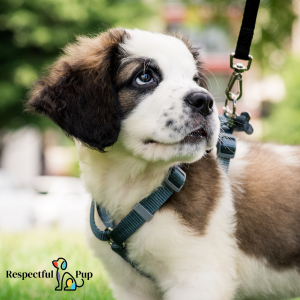
Mastering Loose Leash Walking with Your Puppy: Tips & Tricks for a Stress-Free Stroll
There’s something magical about walking your puppy—until they turn into a four-legged sled dog. Sound familiar? If your dream of a peaceful walk has turned into a tug-of-war, you’re not alone. Loose leash walking is one of the most requested training goals for new puppy parents. It's a skill, not an instinct, and teaching it requires patience, consistency, and a little bit of strategy.
Let’s untangle the leash (literally and figuratively) and walk through practical tips and tricks to help your puppy master loose leash walking like a pro.
Why Loose Leash Walking Matters
Besides saving your shoulder from dislocation, loose leash walking:
Builds trust and communication between you and your puppy
Helps prevent leash frustration and reactivity
Encourages calm behavior and focus
Makes walks more enjoyable (and repeatable) for everyone involved
Puppies are naturally curious and excitable. The world is brand new, full of smells, squirrels, and strangers. But with gentle guidance and clear expectations, they can learn how to walk nicely by your side.
Before You Start: Leash Walking Prep
1. Choose the Right Equipment
Skip the retractable leash (aka the chaos extender) and opt for a sturdy 4-6 foot flat leash. Pair it with a well-fitting harness or collar. Front-clip harnesses can help reduce pulling while you're training.
2. Pick a Distraction-Lite Location
Begin training indoors or in a quiet backyard. Starting on the sidewalk next to a construction zone is like trying to learn yoga in a bounce house. Too much too soon leads to frustration.
3. Load Up on High-Value Treats
Loose leash walking is an exercise in patience, so bring reinforcements. Think small, soft, smelly treats like cheese cubes, turkey bits, or freeze-dried liver. You want your puppy to think, “Forget squirrels, Mom’s got bacon.”
Step-by-Step: Teaching Loose Leash Walking
Step 1: Reward Proximity
Start with your puppy on leash indoors. Stand still and reward any moment your pup is next to you or turns toward you. This teaches them that being near you is the best place to be.
Step 2: Introduce Movement
Take one step forward. If the leash stays loose, reward immediately. Gradually increase to two steps, then three. If your puppy pulls ahead—stop. Be a tree. Don’t yank, don’t drag—just wait.
Step 3: Use the “Let’s Go!” Cue
When you're ready to resume walking, use a happy cue like “Let’s go!” Then encourage your pup to return to your side and try again. Think of it as a reset button.
Step 4: Be Consistent
Dogs are master pattern-seekers. If pulling sometimes gets them where they want to go, they’ll keep doing it. So every time the leash gets tight, stop. Every. Single. Time.
Tips & Tricks for Loose Leash Success
🎯 Tip 1: Reward Early and Often
Don’t wait until your puppy is perfect. Celebrate the small wins—looking at you, walking by your side for a few steps, checking in. Frequent rewards = faster learning.
🎯 Tip 2: Change Directions
If your puppy charges ahead, calmly turn and walk the opposite way. No scolding, just pivot. Eventually, they’ll start paying more attention to your movements.
🎯 Tip 3: Keep Sessions Short
Training is tiring for puppies. Start with 5–10 minute sessions and gradually increase. A tired pup is not a focused pup, so end on a win and quit while you're ahead.
🎯 Tip 4: Use Visual Markers
Pick landmarks (like a mailbox or tree) and reward your puppy for walking nicely until you reach it. This gives you both small goals and builds confidence.
🎯 Tip 5: Vary Your Walks
Mix up your walking routine with quiet areas, different paths, or even indoor practice. This teaches your pup that leash manners apply everywhere—not just on the “usual route.”
🎯 Tip 6: Teach a “Check-In” Cue
Train your puppy to look at you when you say their name or a cue like “watch me.” Use this to get their focus back when distractions creep in.
🎯 Tip 7: Don’t Rely on Corrections
Choke chains and prong collars might stop pulling in the moment, but they don't teach your puppy what to do instead. Positive reinforcement builds lasting habits, not fear.
Troubleshooting Common Challenges
🚧 My puppy pulls like a freight train.
Go back to basics. Reinforce calm walking in a low-distraction area. Use frequent treats to reinforce your side. Consider a front-clip harness during the learning phase.
🚧 My puppy is too distracted outside.
Try leash walking in your garage or hallway. Then work up to the backyard, then the sidewalk. Add distractions slowly and keep sessions short.
🚧 My puppy stops and sniffs everything.
Sniffing is a form of enrichment! Build it into your walk. Try “structured sniff breaks” every few minutes. Mark the break with a cue like “go sniff,” then use “let’s go” to resume training.
🚧 My puppy lunges at other dogs or people.
This might be excitement or early reactivity. Cross the street, increase distance, and use high-value treats to redirect attention. Consider enrolling in a group class or working with a trainer if it persists.
Make Walks More Fun (for Both of You)
Loose leash walking doesn’t have to feel like a chore. Once your puppy gets the hang of it, it can become a bonding experience you both look forward to. Here’s how to add a little spice:
Play “find it” games with treats on your walk
Try new walking trails or parks
Practice leash skills between short off-leash play sessions (in a safe space)
Let your puppy carry a toy on the walk for enrichment and focus
Leash Manners Are a Marathon, Not a Sprint
Let’s be real—your puppy won’t walk perfectly by your side overnight. (If they do, you may have adopted a unicorn disguised as a golden retriever.) But with consistency, praise, patience, and peanut butter, you’ll get there.
Celebrate the progress:
🐾 3 steps without pulling? That's a win.
🐾 Your pup checked in with you at a busy intersection? Gold star.
🐾 You didn’t get dragged like a water-skier down the block? We’re calling that a Tuesday triumph.
When to Ask for Help
If your puppy continues to struggle with leash walking despite your best efforts, reach out to a professional dog trainer—ideally one who uses positive reinforcement techniques. Group classes can also be a great way to socialize your pup while learning leash skills around distractions.
You Can Do This!
Teaching loose leash walking is like teaching your puppy polite conversation: it takes repetition, encouragement, and some excellent treats. Every calm step they take is a step toward a lifetime of happy, stress-free strolls together.
So clip that leash, grab the treats, and get ready to turn those tug-of-war tantrums into confident, cooperative walks. Your shoulder—and your puppy—will thank you.
Need more puppy training support? We offer small group classes and private lessons to help!
View our S.T.A.R. Puppy Class here.
Interested in Private Lessons? Learn more here.